
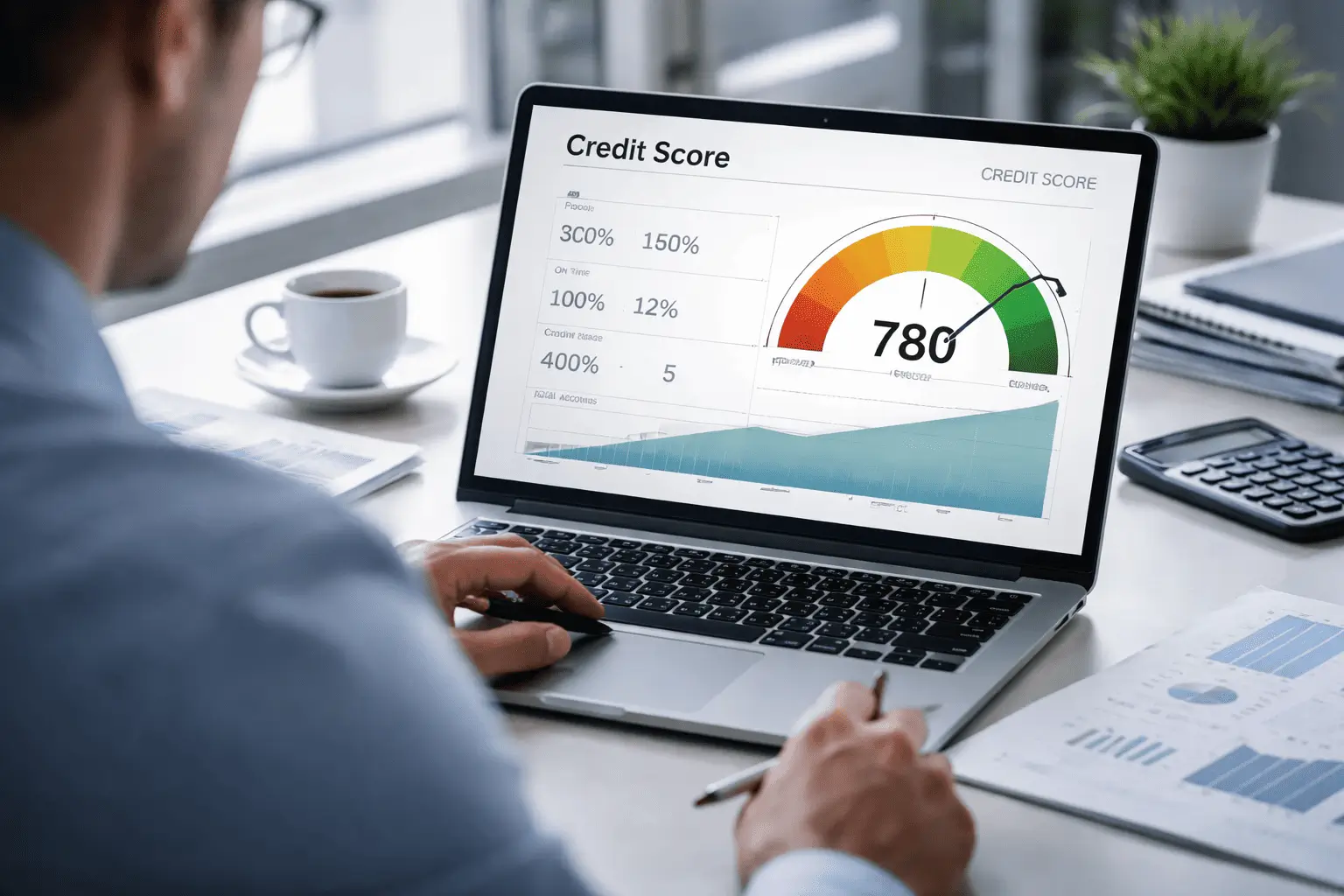
Building credit is one of the most important financial steps in life, but many people don’t fully understand how the system works. A credit score can affect loans, rental applications, and access to financial services.
The important thing to understand is that credit is not fixed. It is a system that responds to financial behavior over time.
This guide explains how credit building works and what actually helps improve your credit profile in a structured and consistent way.
What Is a Credit Score?
A credit score is a numerical system that represents how responsibly a person manages borrowed money.
It is calculated using several key factors:
- Payment history
- Credit utilization
- Length of credit history
- Credit mix
- New credit activity
These elements are widely used across credit reporting systems and remain stable over time.

Payment History and Financial Consistency
Payment history is one of the strongest factors in credit scoring.
Consistently paying bills on time shows financial responsibility and reduces perceived risk for lenders.
Missed or late payments can have long-term negative effects, while stable payment behavior builds trust over time.
Why consistency matters more than speed
Credit systems reward long-term stability more than short-term changes. A steady pattern of responsible payments is more valuable than quick financial actions.
Credit Utilization and Financial Control
Credit utilization refers to how much credit you are using compared to your available limit.
Lower utilization generally reflects better financial control and lower risk.
How utilization affects credit health
High utilization can signal financial stress, while lower usage shows stability and discipline in managing credit resources.
Credit History Length
The length of your credit history plays an important role in your overall score.
Older accounts contribute positively because they demonstrate long-term financial behavior.
Closing old accounts too early can sometimes reduce your credit profile strength.
Credit Mix and Financial Behavior
A diverse credit profile can help demonstrate financial stability.
This may include different types of credit accounts that show your ability to manage various financial responsibilities.
Alternative Payment Reporting
Some regular payments, such as rent, are not automatically included in traditional credit reports.
However, alternative reporting systems can help include these payments in credit evaluations.
This can be especially helpful for individuals who are starting their credit journey or rebuilding their credit profile.
One example of such a system is rent reporting services that allow consistent rental payments to be included in credit history.
Credit Inquiries and Applications
Each time you apply for credit, a hard inquiry may be added to your credit report.
Too many inquiries in a short time can temporarily lower your credit score.
Smart application strategy
It is generally recommended to apply for credit only when necessary and plan financial actions carefully over time.
Monitoring Your Credit Profile
Regular credit monitoring helps you stay aware of your financial status.
It also helps identify errors, fraud, or unexpected changes in your credit report early.
Common Credit Mistakes
Many people unintentionally slow down their credit progress by:
- Missing payments
- Using too much available credit
- Closing old accounts too early
- Applying for too many credit products at once
- Ignoring credit reports
Avoiding these mistakes is just as important as building good financial habits.
How Credit Building Works Over Time
Credit building is a gradual process that depends on consistency rather than speed.
Over time, responsible financial behavior leads to stronger credit profiles and improved financial opportunities.
Turn Your Rent Into Credit History
If you are already paying rent regularly, you may be able to use those payments to help build your credit profile over time.
Final Thoughts
Credit building is not about quick results, but about long-term financial consistency and responsible behavior.
By understanding how credit systems work and applying steady financial habits, it is possible to gradually improve your credit profile over time.